Greek Life
15 Fraternity Safety Musts for 2026: Practical, Digital Tips
The 15 must-do fraternity safety practices for 2026, from digital guest lists to sober monitors and naloxone readiness. Actionable, campus-ready guidance.

By Mitchell Whalen

Last Updated on
Feb 17, 2026
The most up-to-date fraternity safety recommendations for 2026 center on digital guest management, real-time capacity tracking, naloxone readiness, sober monitor staffing, and consistent training. Together, these practices reduce risk, support compliance, and keep events fun without losing control.
Chapters are operating in a tighter regulatory climate, with growing transparency expectations and higher safety standards. The smartest move is to combine clear protocols with tech that makes them easy to follow. DoorList helps you verify guests with dynamic QR codes, track live headcount, and keep a clean audit trail. Use this list to align with your campus, Interfraternity Council (IFC), and national policies while giving members and guests a safer experience.
Key Takeaways
Digital tools correlate with safer events. 92% of administrators reported improved safety using platforms like DoorList (DoorList).
A 1:15 sober monitor to guest ratio is widely recommended for higher risk events (Clemson University).
Notifying neighbors within 300 feet before events can reduce noise complaints and police calls (UC Riverside).
1. Plan Pre-Event Safety
Lock down the plan before you lock the door. Build a written checklist that covers:
Venue layout
Exits
Emergency contacts
Sober monitor zones
Arrival plans for Emergency Medical Services (EMS) if needed
Register your event with your university or IFC as required, and confirm your plan aligns with chapter insurance guidance. Create a crisis management plan that assigns roles, including who calls 911, who meets EMS at the curb, and who pauses music and moves guests. Upload essentials into your chapter drive and pin them in your group chat for quick access. DoorList can store event details and guest policies in one place so the whole team stays aligned.
2. Implement Digital Guest List Controls
Ditch paper lists and static screenshots. Use digital guest lists with live verification at the door. DoorList generates dynamic QR codes that refresh continuously to prevent screenshot sharing and unauthorized entry. That keeps your crowd curated to friends and students you actually invited. Pre-load your list, tag VIPs, and require full names and phone numbers. At check-in, scan the dynamic QR and match IDs. According to DoorList, 92% of administrators report improved safety when they use digital tools for guest management. UVA organizations have publicly highlighted digital guest tools to streamline entry and control crowds.
3. Enforce Alcohol Policies That Reduce Risk
Follow your IFC and national policies, and keep it simple. If you can, use a licensed third-party vendor with trained bartenders and proof-of-insurance. If your campus permits BYOB, cap drink types and quantities, ban bulk sources, and require ID checks at point of service. Keep water stations visible, close alcohol service 30 minutes before event end, and refuse service to anyone visibly intoxicated. Track service areas and make sure sober monitors are stationed nearby. Clear, posted rules make enforcement easier for your team and clearer for guests.
4. Rotate and Train Sober Monitors
Sober monitors are your first responders inside the venue. Staff them at a recommended ratio of 1 monitor for every 15 guests during higher-risk windows, and make them easy to spot with branded shirts or wristbands. Assign zones that cover entrances, dance floors, stairs, and outdoor areas. Train monitors at least once a year and after leadership transitions. Walk through real scenarios like cutting music for an emergency, handling an intoxicated guest, using a radio code, and coordinating with EMS. Keep a printed list of who is on shift and their zones at the door.
5. Secure Entrances and Exits
Use one main entrance for guests and keep emergency exits unlocked and lit. Post monitors or security at the front to scan, verify, and deny entry when needed. Keep a direct path from the main space to each exit, and remove obstacles that could bottleneck a crowd. Place visible exit signage and check outdoor lighting. If you have an outdoor line, mark queue areas so sidewalks stay clear. A single controlled entry point reduces fake wristbands, helps you stay under capacity, and speeds up ID checks.
6. Enforce Strict Guest Checks
Use dual ID verification where required, such as government-issued plus university ID. Mobile scanning tools make this fast at the door and create a clean audit trail if your school ever asks for documentation. Keep a simple denied-entry log with date, time, reason, and initials of the staffer. DoorList stores check-in history and notes so your risk chair can reference them later. If you remove someone mid-event, record the reason and any follow up for your post-event review.
7. Foster Positive Neighborhood Relations
Noise complaints are the top reason events get shut down. Notify neighbors within 300 feet about your date and end time, and share a direct cell for your point person so they call you, not the police. This proactive step can reduce complaints. Place the DJ inside, point speakers away from property lines, and set a cut-off time that respects local ordinances. Assign a monitor to walk the perimeter every 30 minutes. A little goodwill goes a long way when you are hosting again next weekend.
8. Enforce Anti-Drug and Anti-Harassment Measures
Post your zero-tolerance policies for illegal drugs and harassment at the door and in high-traffic areas. Offer an anonymous reporting option via QR code, and make sure sober monitors know how to escalate concerns quickly and discreetly. Stock naloxone and train members on how to use it. Several states, including California, have moved to require wider naloxone availability and training in public settings, which signals the standard many campuses expect. Keep fentanyl test strips available if your policies allow, and always prioritize calling 911 when in doubt.
9. Secure Off-Limits Areas
Lock private rooms and clearly mark off-limits spaces. Use smart locks where possible and limit keys to a small set of officers. Post a monitor at stairwells and hallways that lead to bedrooms or storage. Walk the house every hour to confirm doors are still locked and signs are visible. The goal is to prevent wandering, protect property, and reduce risk of theft or misconduct in areas that are hard to supervise.
10. Prepare First Aid and Medical Response
Keep a stocked, visible first aid kit at every event. Include:
Gloves
Bandages
CPR masks
Naloxone
Store an Automated External Defibrillator (AED) on-site if your chapter has one, and make sure members know its location. Train at least two members per event in CPR and basic emergency response. At the top of the night, review who calls 911, who meets EMS at the curb, and who pauses music and clears a path. Write down emergency contacts and tape them near the DJ booth and the front door.
11. Promote a 'See Something, Say Something' Culture
Make it normal to speak up. Remind members and guests that reporting concerns helps everyone stay safe. Many campuses use medical amnesty policies for those who call for help during alcohol or drug emergencies, which encourages people to act fast. Train members on bystander intervention and how to intervene safely when they spot harassment or risk. Put short reminders on bathroom mirrors, near water stations, and at the entrance. Small nudges throughout the night drive better choices.
12. Track Capacity in Real Time
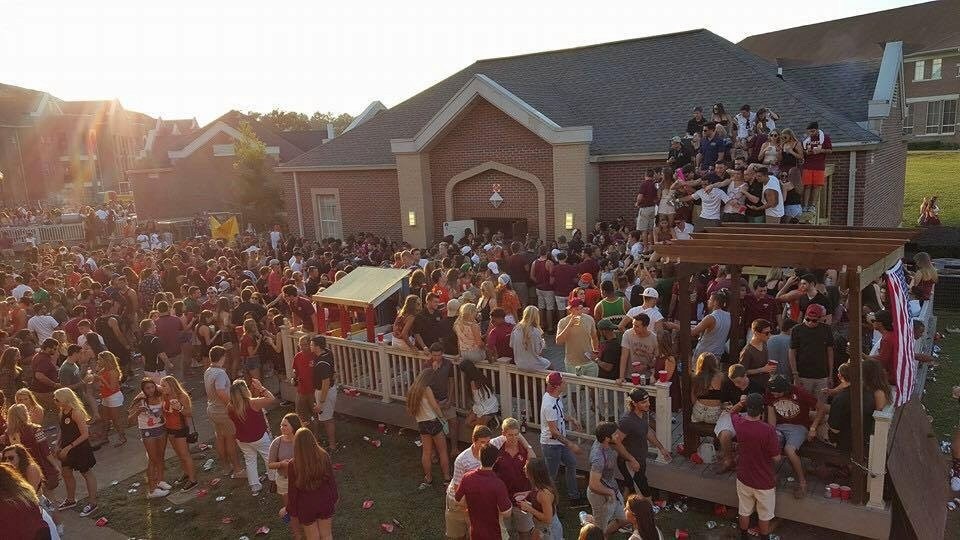
Overcrowding drives most safety issues. Use an app to track check-ins and check-outs so you know your live headcount. DoorList shows real-time capacity, lets you set a hard cap below your fire limit, and alerts you when you are close. Stick to a guest-to-member ratio that your campus recommends and pause entry when you hit your cap. If you need to clear space, coordinate with your sober monitors to control the line and communicate updated timing to guests.
13. Provide Alcohol-Free Options
Put water and non-alcoholic drinks front and center, not hidden in the kitchen. Offer something fun like mocktails, cold brew, or electrolyte packets. Serve high-protein snacks and avoid super salty options that can drive more drinking. Give small perks to Designated Drivers (DD), like a VIP line or free food. Share the DD perk in your event description so people volunteer early. Making the easy choice the obvious choice lowers risk for everyone.
14. Conduct Post-Event Incident Reviews
Debrief within 48 hours with officers and sober monitors. Review what worked, where you struggled, any medical or conduct incidents, and what to fix next time. Save a short summary in your shared drive. If your campus requires incident reporting or tracking, complete it on time and keep receipts, guest logs, and messages organized. DoorList’s check-in history and notes help you answer follow-up questions from advisors without scrambling.
15. Maintain Continuous Safety Education
Safety training is not one-and-done. Host at least one session each semester on risk management, bystander intervention, and emergency response. Refresh sober monitor skills when new officers step in. Stay current with your IFC, campus safety office, and national headquarters. The Stop Campus Hazing Act, signed into federal law in December 2024, now requires institutions to report hazing incidents in their annual security reports and publish anti-hazing policies by mid-2025, making chapter-level compliance more important than ever. Invite campus police or health educators to run short scenario drills. Use DoorList to share policies, training dates, and digital resources with your whole chapter.
Frequently Asked Questions
What is the recommended sober monitor ratio?
A 1:15 sober monitor to guest ratio is widely recommended for higher risk events (Clemson University).
How can fraternities reduce noise complaints?
Notify neighbors within 300 feet before your event, provide them with a direct contact number, and assign a monitor to walk the perimeter every 30 minutes. These steps can help minimize noise complaints and reduce the likelihood of police calls (UC Riverside).
Why are digital guest lists safer than paper?
Digital guest lists, especially those with dynamic QR codes, prevent screenshot sharing and unauthorized entry. They also create a clean audit trail and allow for real-time capacity tracking, which improves overall event safety (DoorList).
What should be included in a fraternity event first aid kit?
A fraternity event first aid kit should include gloves, bandages, CPR masks, and naloxone. If available, an Automated External Defibrillator (AED) should also be on-site, and members should know its location.
Conclusion
Safer fraternity events in 2026 come from clear plans, verified guests, real-time awareness, and steady training. Digital tools like DoorList make the hard parts easier, from dynamic QR invites that stop screenshot sharing to live capacity tracking and clean audit trails for post-event reviews. Stock naloxone, staff visible sober monitors, keep exits clear, and build a culture where people speak up early.
Turn this checklist into your chapter playbook, then measure what improves with every event. Ready to run your next social smarter and safer? Host Your Event Today: https://doorlist.app/create